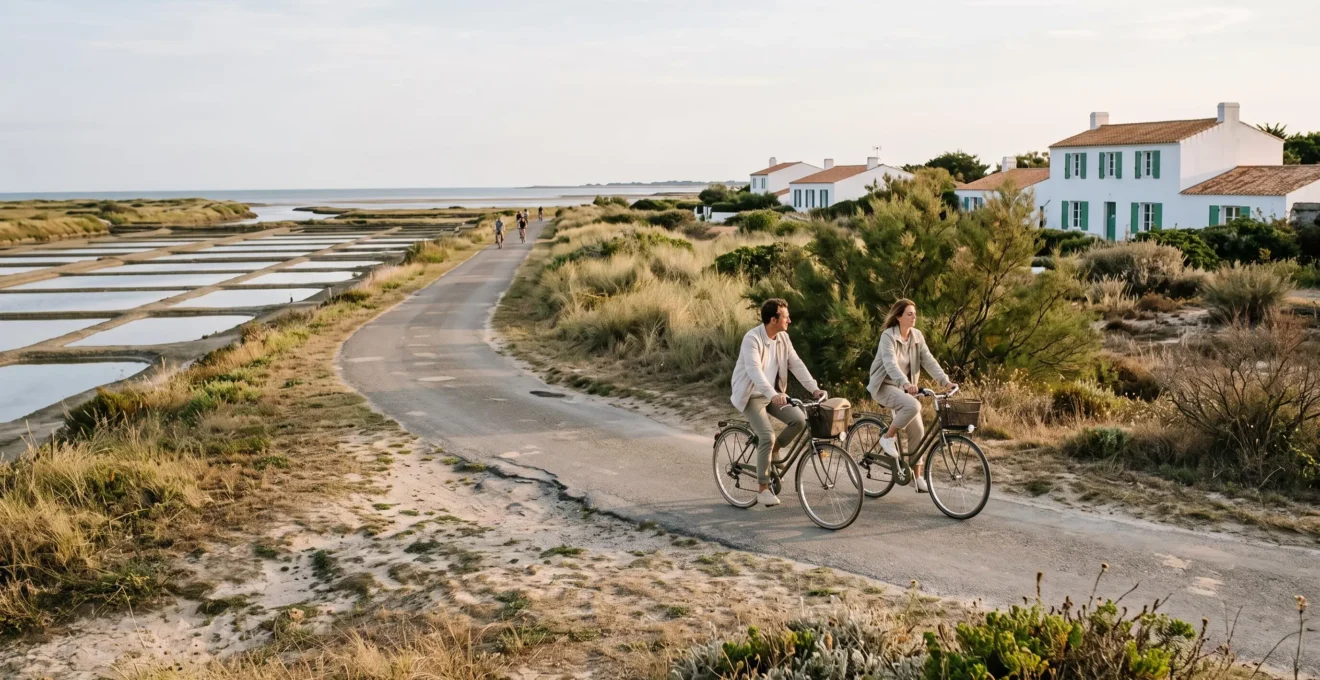
Yes—September is generally a good time to visit Île de Ré if you want a beachy island feel with fewer people than July and August, while keeping weather that’s often still mild for cycling, markets, and outdoor time.
The trade-off is simple: compared with August, you typically gain breathing room (and often better availability) but you accept shorter days and the possibility that some seasonal businesses start reducing hours as the month progresses. If you’re weighing Île de Ré in September against October, September is usually the safer bet for warmth—especially earlier in the month.
What September changes on Île de Ré (vs. August and October)
- Comfort: warm-ish days are still common, evenings feel cooler than August.
- Pace: it’s noticeably less crowded once the peak summer period passes.
- Planning: early September can still be busy on weekends; late September is calmer.
- Services: many essentials stay open, but some places may shorten hours.
- Decision tip: choose September if you want a “shoulder season” vibe without jumping straight to October conditions.
What Makes September a Good Time to Visit Île de Ré?
Direct answer: Yes—Île de Ré in September is a strong choice if you want an easier, less crowded version of summer, with weather that can still support beach time and long bike rides, especially early in the month.
Compared with July and August, September usually feels like the island “exhales”: beaches and village streets are less packed, and you’re more likely to get a table or rent bikes without planning your whole day around peak hours.
Compared with October, September tends to keep more of the late-summer mood—longer daylight and higher odds of comfortable daytime temperatures—while still delivering that calmer shoulder-season rhythm many travelers want.
One practical limit: the further you go into September, the more you should expect reduced opening hours for some seasonal spots. That doesn’t mean the island shuts down, but it does mean you’ll enjoy your trip more if you check schedules as you build your days.
September vs. August, in one realistic scenario: if you book the same type of rental later in September instead of mid-August, you may find more choice and less competition for the “best located” places—while accepting cooler evenings and a quieter nightlife.
Seasonality tip for on-the-ground planning: if you need help once you arrive, the official tourist offices stay open year-round with hours that “adapt to the season,” totaling “between 240 and over 340 days of opening per year,” depending on the office (Destination Île de Ré – Office de Tourisme official, quoted from its horaires des offices de tourisme de l’île page).
Weather and Sea Conditions in September
If your main hesitation is “Will the weather still be warm enough in September?”, the most reliable way to answer is to look at local climate normals for the area around the island (La Rochelle – Île de Ré station). Those numbers won’t predict your specific week, but they help you judge what’s typical.

How warm is it on Île de Ré in September?
Based on the station’s climate normals, September sits clearly between August and October. Meteociel’s page for the La Rochelle – Île de Ré station reports an average maximum temperature of about 22.5°C in September, compared with 24.9°C in August and 18.3°C in October (normals calculated over 2000–2026).
That’s a useful way to think about it for comfort: September can still deliver warm-feeling afternoons (especially in early month), but you should plan for cooler evenings than in August and a more noticeable drop as you approach October.
Source for those normals: normales climatiques de septembre sur l’île (La Rochelle – Île de Ré station).
What about sea temperature and swimming conditions?
The SOURCE_PACK provided here doesn’t include verified sea-temperature figures for September, so it would be wrong to give a number. In practical terms, many travelers still swim in September on the Atlantic coast, but whether it feels “comfortable” depends on your tolerance, wind, cloud cover, and whether you aim for early or late September.
If your trip depends on swimming, treat it like a decision: favor early September, choose beaches that feel sheltered from wind, and plan a backup activity (markets, villages, museums, a long bike loop) for breezier days.
Sunshine, rainfall, and wind: what to expect?
This SOURCE_PACK does not provide verified September sunshine-hour or rainfall totals for the island area, so don’t use generic “Mediterranean-style” assumptions: Île de Ré is on the Atlantic coast, and wind can shape how warm a day feels even when temperatures look good on paper.
A simple way to plan: pack for layers (t-shirt + light sweater), and include one windproof option for cycling and beach walks. That covers most “shoulder season” weather swings without overpacking.
Crowds, Prices and Availability After the High Season
If you’re choosing between August and September, the biggest difference you’ll feel is usually the pace: fewer people on the bike paths, more space on beaches, and less waiting at popular spots. September can still feel lively—especially on weekends and in early month—but it’s rarely “peak August busy” for the full four weeks.
Is the island still lively in September after summer ends?
It can be, but in a different way than August. The island often shifts from a family-holiday rush to a shoulder-season mix: couples, retirees, and long-weekend visitors, with calmer streets outside the most popular time slots.
One useful (but not fully official) indicator comes from a local season recap: a 2024 end-of-season report cited by Réal’Ahune notes that seasonal rentals increased by +11% in September 2024 vs 2023, while overall September attendance was down -2.5%. Read it as context—not a universal rule—because it’s not an official statistical publication and may reflect that specific year’s conditions.
Source: Réal’Ahune’s bilan de fréquentation touristique île de Ré.
Is September cheaper than August for accommodation on Île de Ré?
This SOURCE_PACK doesn’t include verified pricing tables from an official tourism body or booking platform, so it would be unsafe to promise a specific percentage drop. Still, the general seasonal logic is straightforward: after the peak holiday weeks, many destinations see softening demand, which can translate into better value and more choice—especially once you move past early September.
If price is a key driver for you, compare the same property type (same village, similar size, similar distance to the beach) across mid-August, early September, and late September. That “like-for-like” comparison is the quickest way to see whether the shoulder-season discount is real for your dates.
What about availability for restaurants, beaches, and bike rentals?
Even without hard numbers, availability tends to feel easier than in July–August: you’re more likely to cycle without constant overtaking, find parking with less stress (where driving is allowed), and get a last-minute restaurant option. The main exception is weekends in early September, which can still concentrate visitors.
If you want the calmest experience, aim for mid-week days and book only the “must-do” restaurant or activity—keep the rest flexible so you can follow the weather.
What Is Still Open on the Island in September?
Your biggest risk with a September trip usually isn’t “everything is closed,” but rather “hours are shorter than I expected.” The island remains lived-in year-round, yet some summer-focused businesses may start reducing opening days as the month progresses.
Are markets and local food spots still running in September?
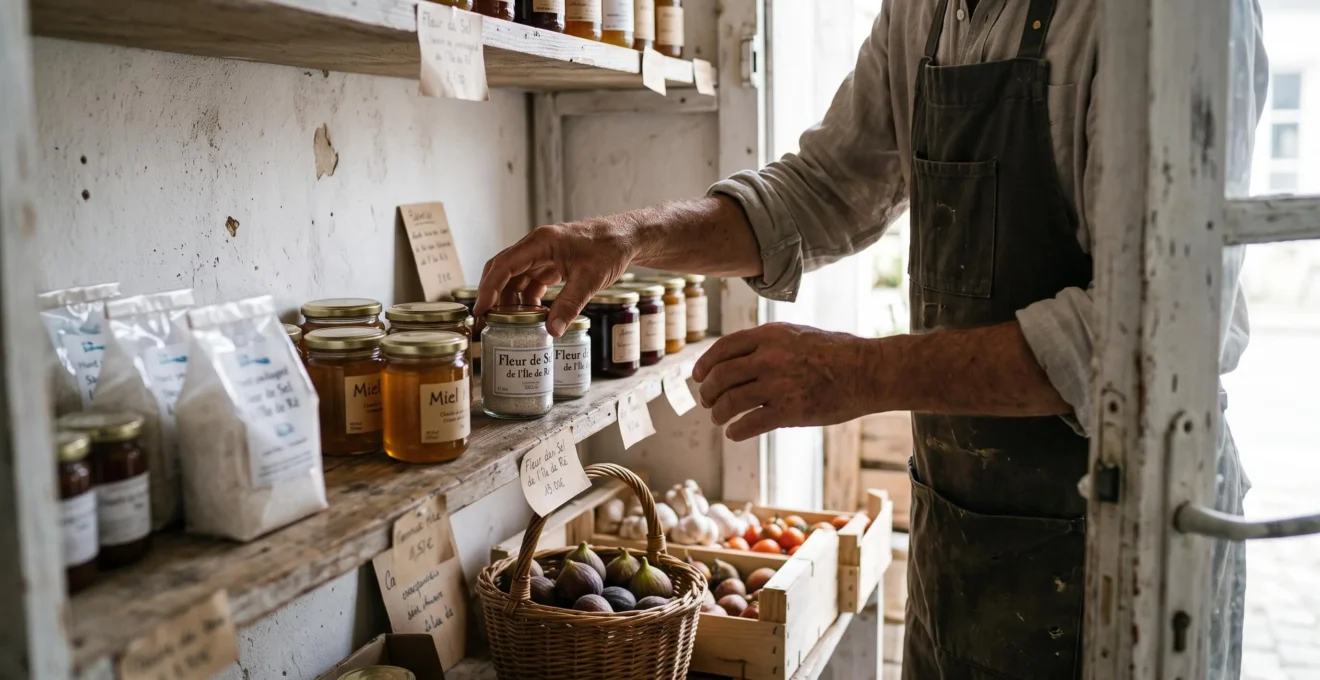
Many markets and food-focused routines continue in September, which is one reason the island still feels “real” after August. A typical September morning can mean grabbing seasonal produce, bread, and something easy to picnic with—then heading out for a bike ride before beaches get busier around midday.
This article’s SOURCE_PACK does not include an official, current list of September market timetables. If you’re building your days around a specific market, verify the exact schedule close to your travel week (open days can change by village and season).
Can you still cycle and do outdoor activities in early autumn?
Yes—cycling is one of the safest September bets because it doesn’t rely on “summer-only” infrastructure. If the day is warm, you can ride in short sleeves; if the wind picks up, a light layer makes it comfortable again.
For planning, think like this: September keeps the island’s outdoor strengths (bike paths, beaches, salt marsh landscapes), but you’ll enjoy them most if you build your day around weather windows—ride when it’s brightest and least windy, then do villages and shops when it cools down.
What services might reduce hours in September?
Expect some restaurants, smaller shops, and certain visitor-focused activities to reduce opening days compared with July–August, especially later in the month. That doesn’t stop you from having a full itinerary; it just means you should avoid planning your trip around one very specific time slot without checking.
On the reassuring side, tourist-information services are structured to operate beyond peak season. The Destination Île de Ré tourist offices explicitly state that their “opening hours adapt to the season,” which is a good sign that September travelers are still part of the expected flow (see the office’s own information cited earlier in this article).
Is access to the island affected by the season?
This SOURCE_PACK doesn’t provide official transport or crossing schedules, so don’t take any “reduced service” claim at face value without checking your exact provider. In general, you should plan as if transport runs normally but with fewer frequency peaks than high summer—and verify times when you book.
If you’re still deciding on destination style, you can also use the same planning logic you’d apply to any shoulder-season island trip—this short guide on island planning can help you structure bookings, backups, and weather-proof days.
How to Plan Your September Trip to Île de Ré
The easiest way to “win” a September stay is to pick the part of the month that matches your priorities. Early September usually feels closer to summer (more activity, potentially more people), while late September tends to be quieter (and may come with more reduced opening hours).

When should you book for September?
If you’re traveling in the first half of September, treat it as “almost high season”: book accommodation and any non-flexible plans earlier, especially if you have tight constraints (specific village, parking, or a must-have sea view). For the second half of the month, you may have more room to compare options, but it’s still smart to book once you’ve found the right fit.
What should you pack for Île de Ré in September?
Pack for warm afternoons and cooler evenings rather than for constant heat. The goal is to stay comfortable on a bike, on a breezy beach, and at a terrace when the sun drops.
- Layers: t-shirts + a light sweater or fleece for evenings.
- Wind protection: a windproof outer layer for cycling and coastal walks.
- Light rain option: a packable jacket, just in case.
- Beach basics: towel + sandals; add a warmer top if you plan sunset time.
How do you choose between early and late September?
- You want the most summer-like vibe :
Prefer early September, and plan around weekends (book key meals or rentals ahead).
- You want the calmest version of the island :
Prefer mid-to-late September, and check opening hours for any “must-do” spots.
- You mainly care about cycling and villages :
Any time in September can work; bring layers and prioritize fair-weather days for long rides.
- You mainly care about swimming :
Aim for early September and keep a weather backup plan for windier days.
Will the island be too quiet in September?
Usually not—September often feels “comfortably lively” rather than empty. Early September can still be active (especially weekends), while late September is calmer and better for slow travel, cycling, and quieter terraces.
Will the weather still be warm enough in September?
Often, yes for outdoor exploring. Climate normals for the La Rochelle – Île de Ré station place September between August and October, with an average maximum around 22.5°C (2000–2026 normals, as published by Meteociel for that station). Even so, evenings are cooler than August and wind can make a day feel fresher.
Are restaurants and markets still open off season?
Many are, but hours can start to shorten through September. Plan around one or two “non-negotiables” (a specific market or restaurant) and verify schedules close to your travel week, especially later in the month.
Is September cheaper than August on Île de Ré?
It can be, but this depends on your exact dates and property type. This article’s sources don’t provide an official price grid, so the most reliable method is to compare like-for-like listings (same village and features) across mid-August vs mid- or late-September before you book.
If your goal is a seaside getaway without the intensity of peak summer, Île de Ré in September is a sensible bet: the island is still easy to enjoy outdoors, but it usually feels less pressured than July and August. Just plan with one shoulder-season habit—check opening hours for any must-do spots—and you’ll avoid the “partially closed” surprise.